
DIY Lock Maintenance: Expert Tips from Toronto Locksmiths
Introduction to DIY Lock Maintenance
Maintaining your locks is essential for ensuring the security of your home or business. While many people rely on professional locksmiths for major issues, there are several DIY maintenance steps you can take to keep your locks in top condition. Here, we share expert tips from Toronto locksmiths to help you maintain your locks effectively.
Understanding Your Lock Types
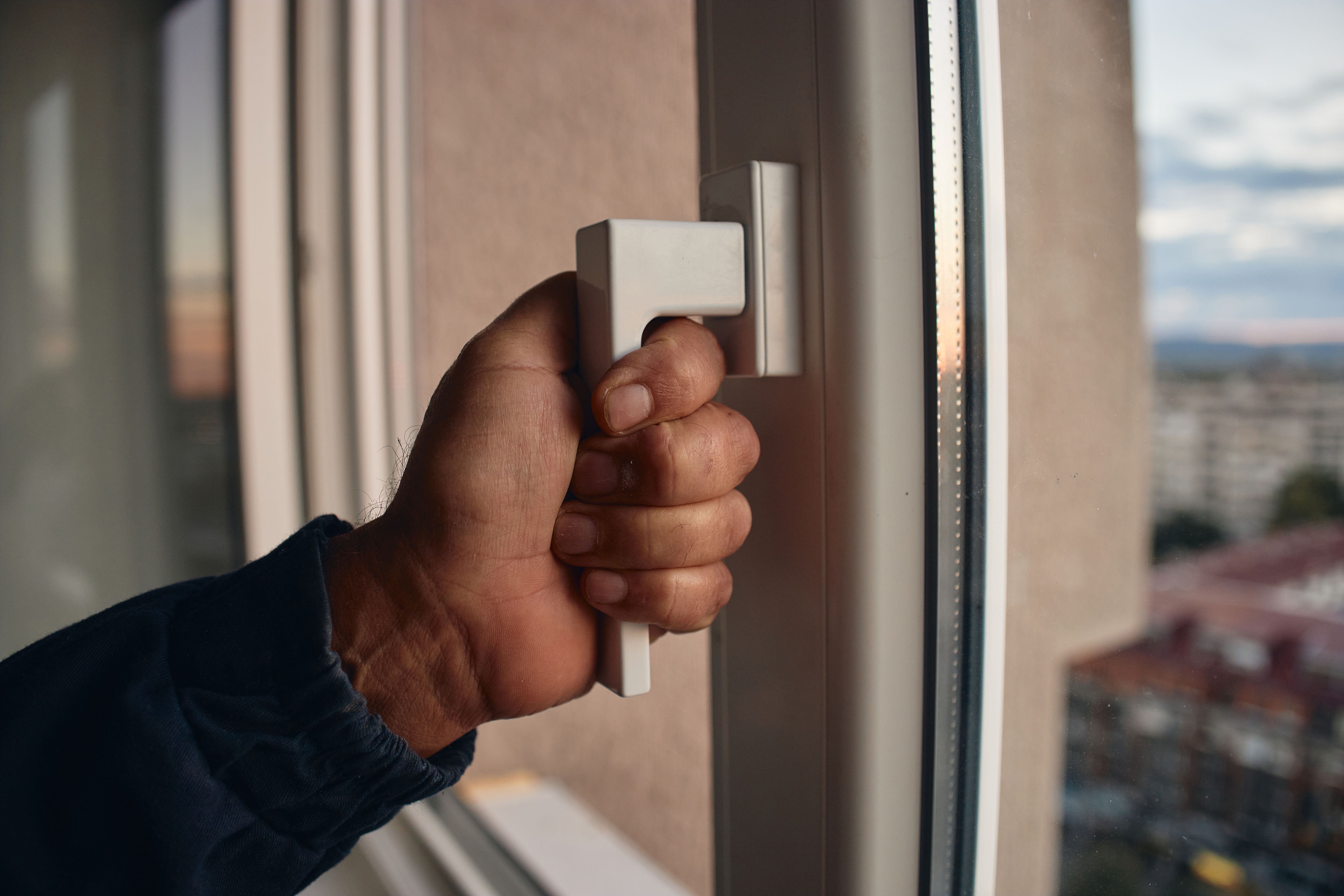
Before diving into maintenance, it's crucial to understand the different types of locks you might encounter. Common lock types include deadbolts, knob locks, and smart locks. Each type has unique features and maintenance requirements, so knowing what you're working with can help you apply the right techniques.
For instance, deadbolts are typically more robust and require different care than a simple knob lock. On the other hand, smart locks may need software updates and battery checks in addition to physical maintenance.
Regular Cleaning
One of the simplest ways to maintain your locks is through regular cleaning. Dust and debris can accumulate in the keyway, affecting the lock's functionality. Use a soft, damp cloth to wipe down the exterior parts of the lock and a can of compressed air to clean out the keyhole.
Lubricating Your Locks
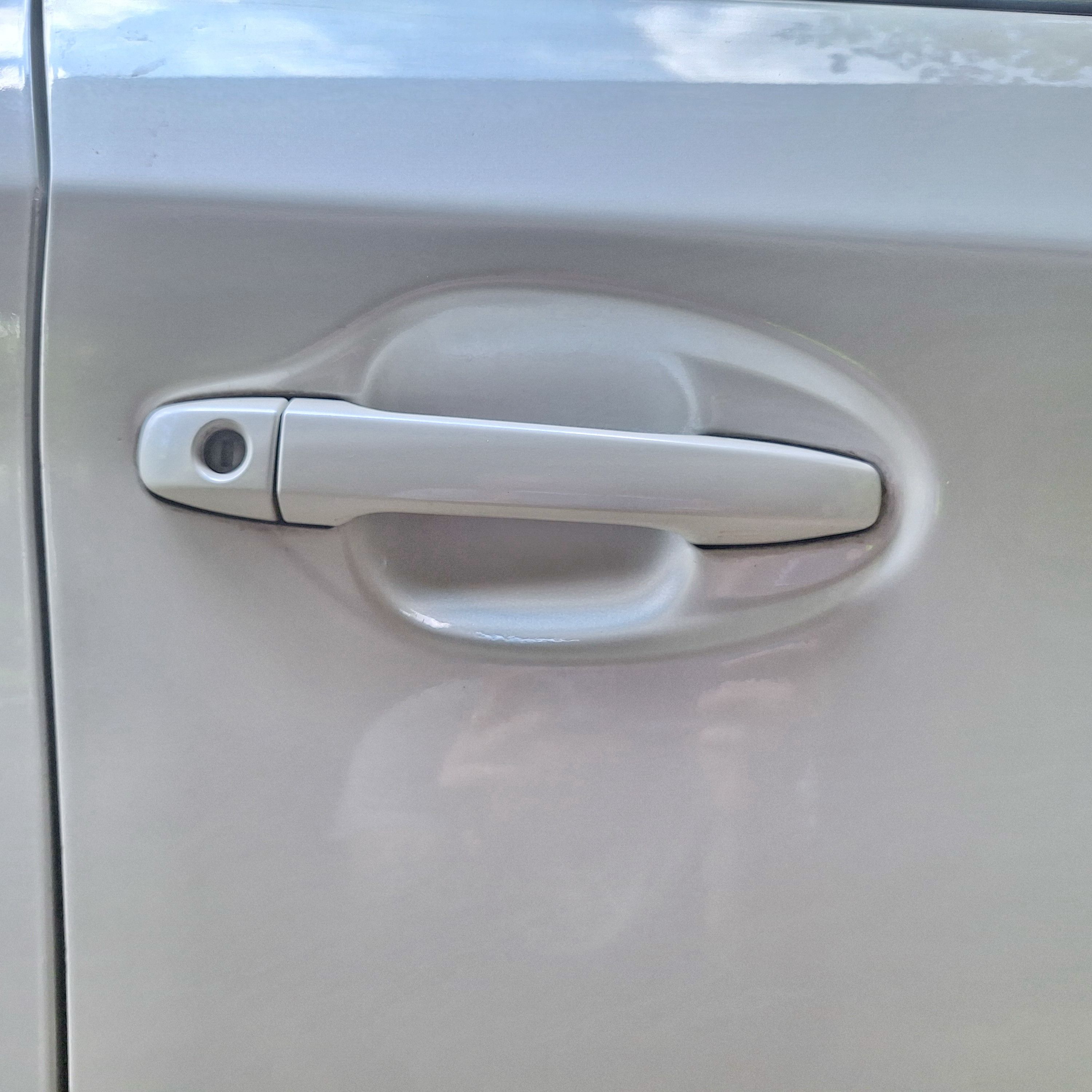
Lubrication is key to ensuring that your locks operate smoothly. Locksmiths recommend using a dry lubricant, such as graphite, as oil-based lubricants can attract dirt and grime. Apply a small amount of dry lubricant to the key and insert it into the lock, turning it gently to distribute the lubricant evenly.
It's important to avoid over-lubricating, as this can cause build-up and lead to more problems down the line. Regular lubrication, about once every six months, should suffice for most locks.
Inspecting for Wear and Tear
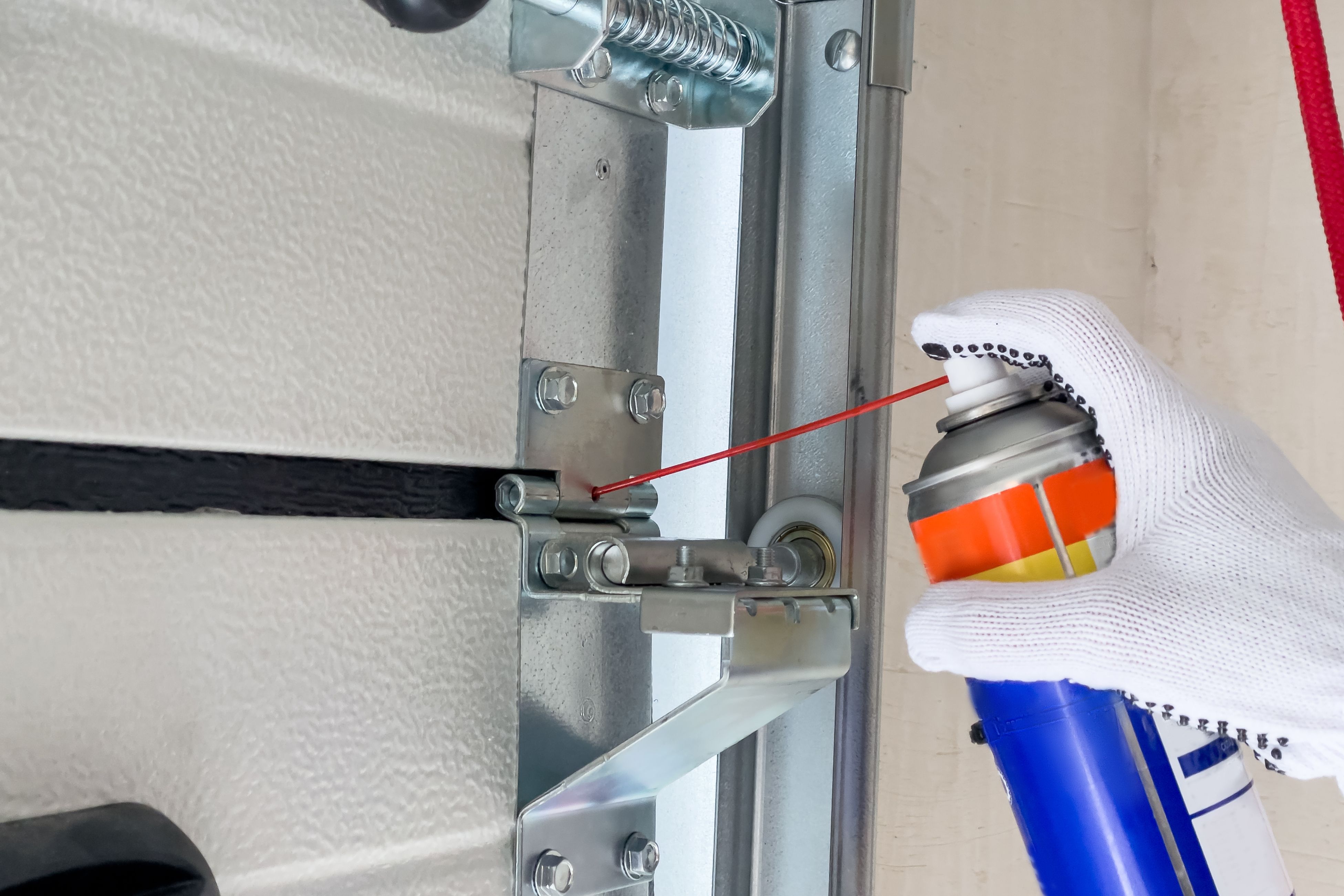
Regularly inspect your locks for signs of wear and tear. Look for visible damage such as rust, corrosion, or any loose parts. Tighten any screws or components that appear loose and replace any parts that show significant wear. Catching these issues early can prevent more costly repairs or replacements.
Checking Alignment
Misalignment can cause your lock to function improperly. Check that the strike plate and lock are aligned correctly by observing the ease of inserting and turning the key. If you notice resistance, you may need to adjust the strike plate or door hinges to ensure proper alignment.

When to Call a Professional
While DIY maintenance can handle many issues, some situations require professional intervention. If you're experiencing recurring problems, such as keys breaking in the lock or difficulty in turning the key, it might be time to consult a professional locksmith. They can diagnose and fix complex issues that DIY methods cannot.
Remember, proper lock maintenance is a crucial part of home security. By following these expert tips, you can ensure that your locks remain functional and secure, providing peace of mind for you and your family.