
How to Repair Common Lock Issues: A Step-by-Step Guide for Toronto Residents
Living in Toronto, you know how important it is to have reliable locks for both your home and business. However, lock issues can arise, causing frustration and security concerns. Knowing how to address these common problems can save you time and money. Here's a step-by-step guide to help you fix typical lock issues.
Identifying the Problem
Before you can repair a lock, it's crucial to identify the specific issue. Common problems include keys not turning, locks sticking, or misaligned doors. Observing the lock's behavior will guide you to the appropriate solution.
If your key isn't turning, the problem might be related to debris inside the lock or a worn-out key. For sticky locks, lack of lubrication could be the culprit, while misalignment often occurs due to changes in temperature or improper installation.
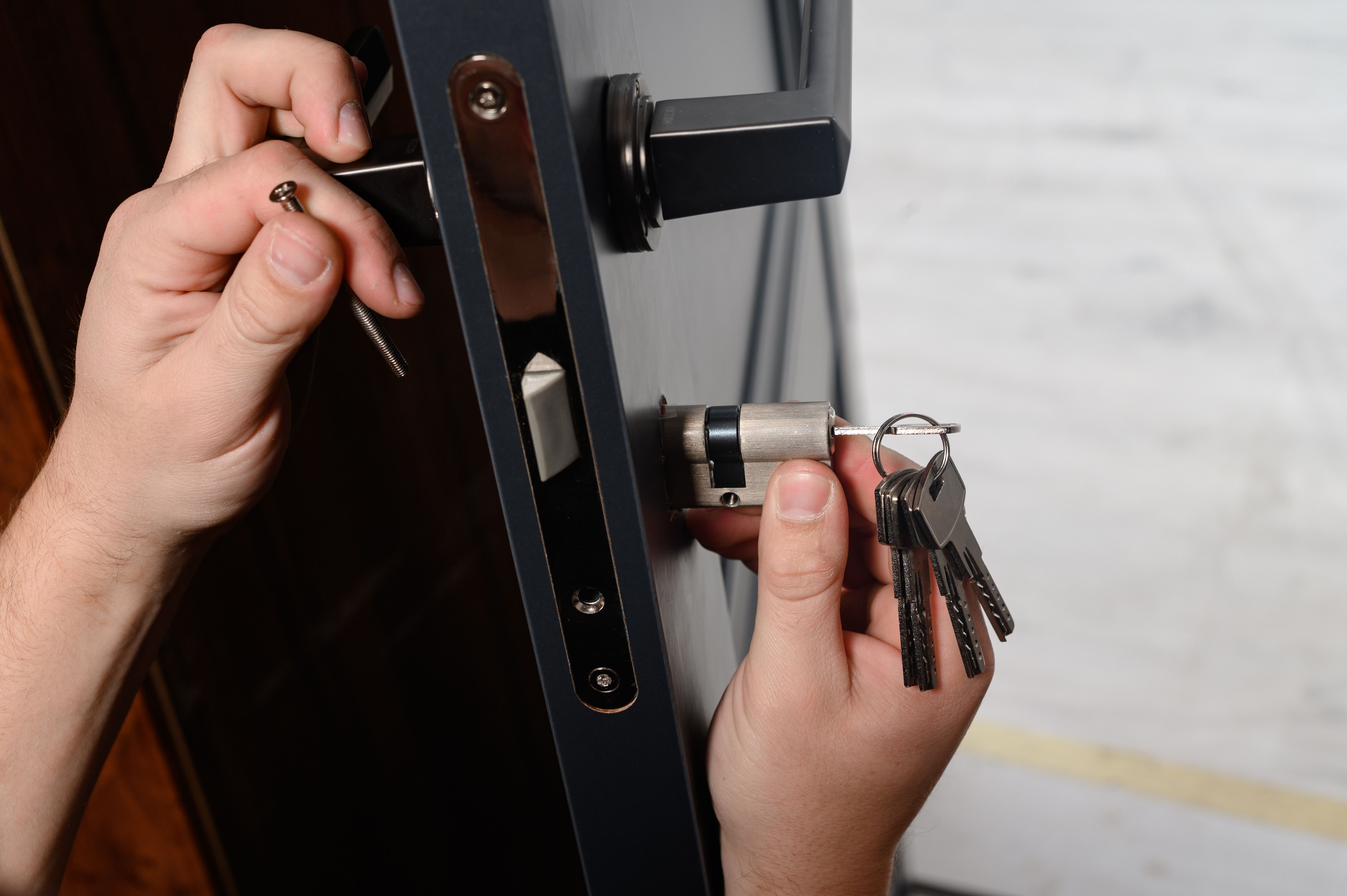
Tools You Will Need
Having the right tools on hand will make the repair process smoother. Here’s a list of essential tools:
- Screwdriver (flathead or Phillips, depending on the lock type)
- Lubricant (such as graphite powder or silicone spray)
- Replacement parts (if necessary)
- Cleaning supplies (cotton swabs, compressed air)
With these tools, you’ll be prepared to tackle most lock issues.
Repairing a Key That Won't Turn
If your key won't turn, start by checking for debris. Use a can of compressed air to blow out any dust or particles from the lock. If the issue persists, try using a lubricant. Apply a small amount of graphite powder into the keyhole and gently work the key back and forth to distribute it evenly.

If the key is still stuck, inspect it for signs of wear. A worn-out key may need replacement. In some cases, the lock itself might be damaged, requiring professional assistance.
Fixing Sticky Locks
Sticky locks are often due to a lack of lubrication. Begin by applying a silicone spray or graphite powder to the keyhole. Insert the key and turn it several times to ensure the lubricant is evenly spread. Avoid using oil-based lubricants, as they can attract dirt and worsen the problem.
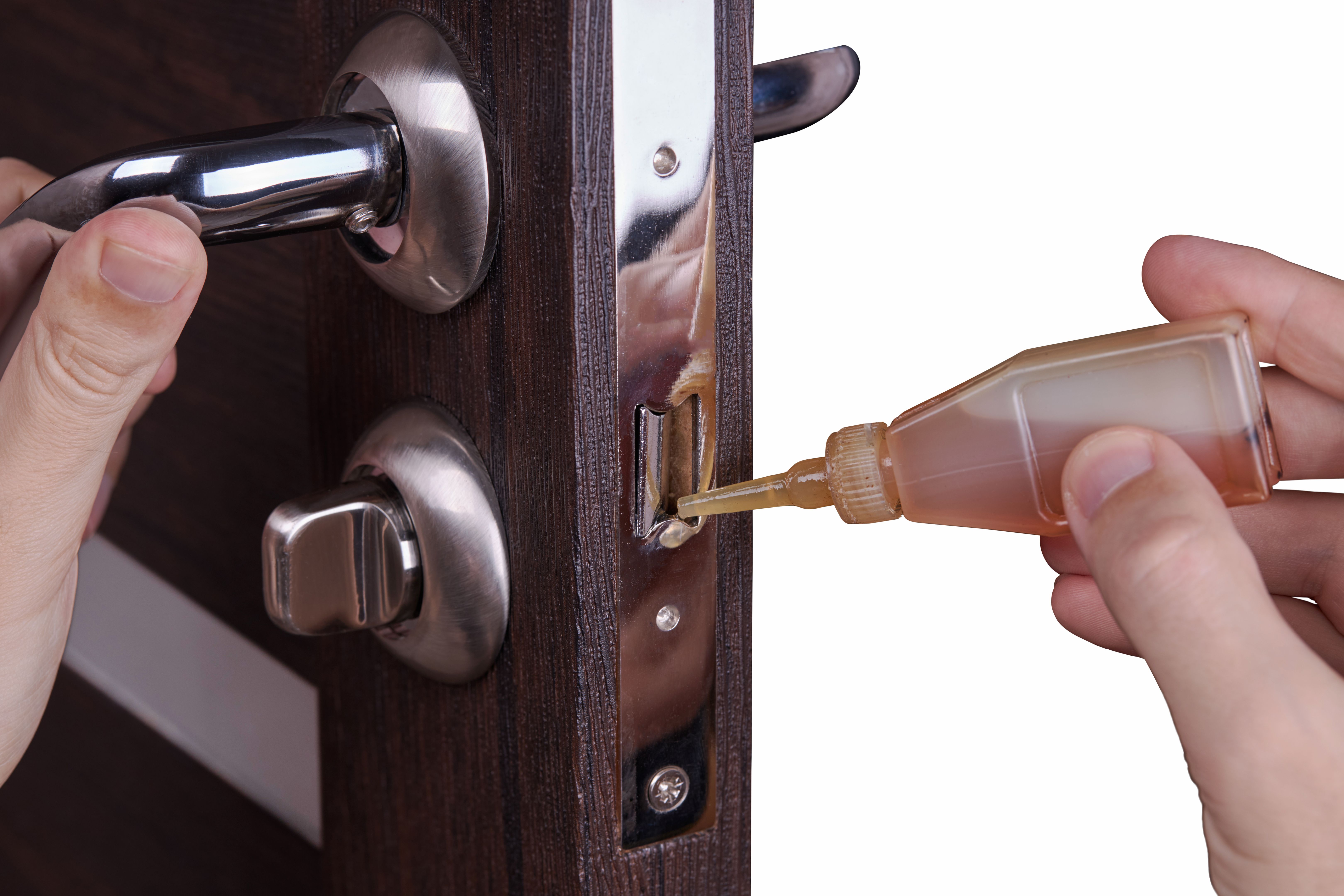
If lubrication does not resolve the issue, consider removing the lock and cleaning it thoroughly. Disassemble the lock according to the manufacturer's instructions, clean all components with a soft cloth, and reassemble.
Addressing Misaligned Doors
A misaligned door can cause the lock to malfunction. Check the alignment by closing the door and observing if the latch meets the strike plate correctly. If not, adjust the strike plate with a screwdriver, moving it up or down as needed.
In some cases, you may need to tighten or loosen the door hinges. Use a screwdriver to adjust the screws, ensuring the door hangs correctly. This simple fix can often solve alignment issues.
When to Call a Professional
While many lock issues can be resolved with DIY methods, some problems require professional expertise. If your lock is severely damaged or if you are unable to identify the problem, it's best to consult a locksmith. They have the tools and knowledge to handle complex issues safely and efficiently.
By following this guide, Toronto residents can address most common lock problems with confidence. However, remember that regular maintenance and timely repairs can prevent many of these issues from arising in the first place.