Smart Lock vs. Traditional Lock: Which is Right for You?
In today's world, securing your home is a top priority. With advancements in technology, the choice between a smart lock and a traditional lock has become a common dilemma for homeowners. Both options have their unique advantages and drawbacks, making it essential to consider your specific needs before making a decision.
Understanding Smart Locks
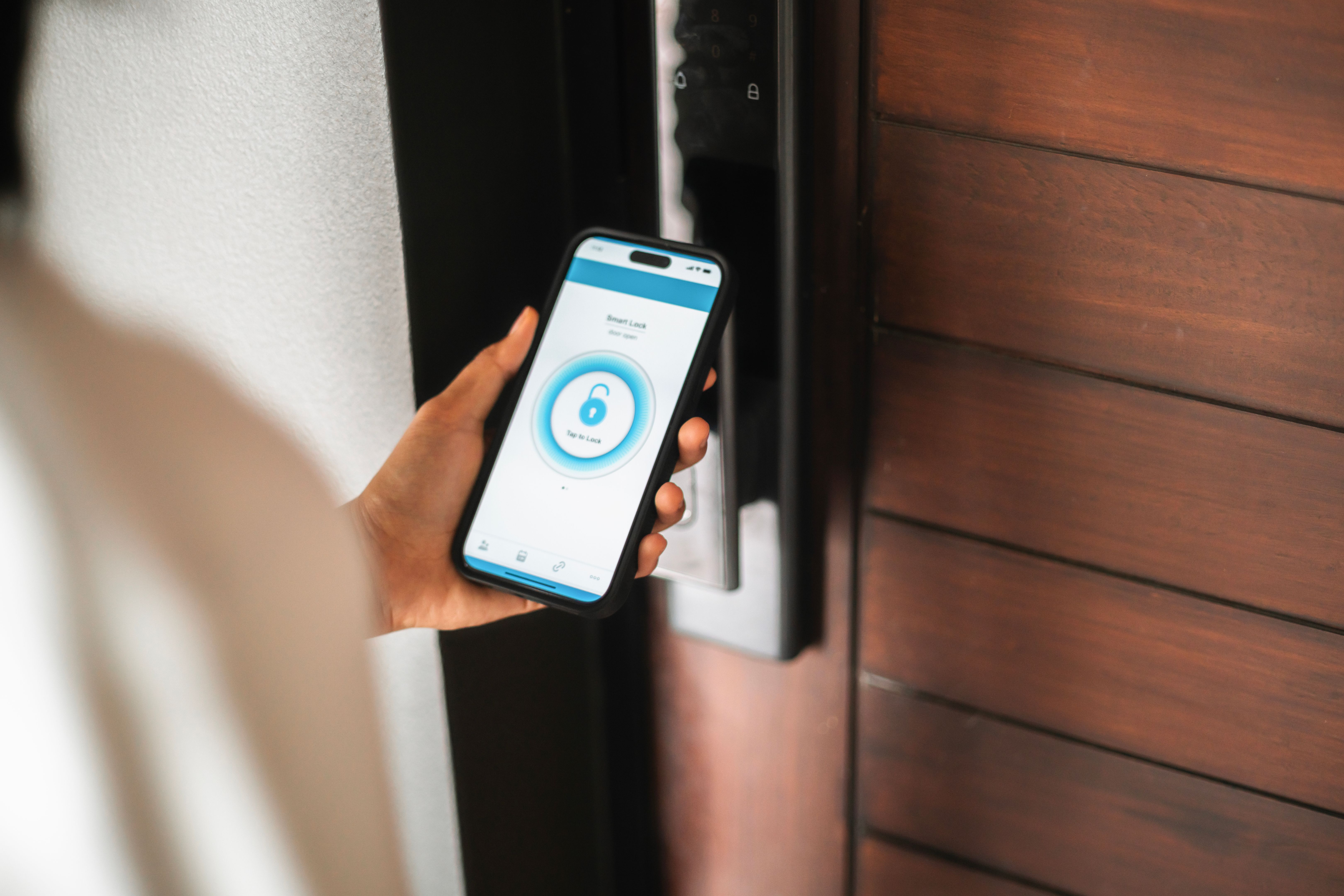
Smart locks are the modern solution for home security, offering convenience and advanced features. These locks can be controlled via smartphone apps, allowing you to lock or unlock your door remotely. Some even integrate with smart home systems like Amazon Alexa or Google Assistant.
Benefits of Smart Locks:
- Convenience: No need to carry keys or worry about losing them.
- Remote Access: Control your lock from anywhere with an internet connection.
- Integration: Seamlessly connects with other smart devices for enhanced security.
Exploring Traditional Locks
Traditional locks have been the cornerstone of home security for decades. They rely on a physical key to operate and are known for their straightforward design and reliability. Many people still prefer the simplicity and familiarity of a traditional lock.
Advantages of Traditional Locks:
- Reliability: Less prone to technical glitches and malfunctions.
- Affordability: Generally less expensive than smart locks.
- Simplicity: Easy to understand and use, with no need for tech knowledge.

Comparing Security Features
When it comes to security, both smart and traditional locks offer robust protection, but in different ways. Smart locks often feature advanced encryption and can send alerts if someone attempts unauthorized access. However, they may be vulnerable to hacking.
Traditional locks rely on mechanical strength and are less susceptible to digital threats. However, they can be picked or bumped if not of high quality. Choosing a high-security traditional lock can mitigate these risks.
Which Is Right for You?
Your choice between a smart lock and a traditional lock should be guided by your lifestyle and security needs. If you value convenience and are tech-savvy, a smart lock might be ideal. However, if you prefer simplicity and reliability, a traditional lock could be a better fit.
Consider factors like budget, ease of use, integration with existing home systems, and personal security preferences. Both locks have their place, and the right choice depends on what you prioritize most in home security.
Ultimately, the decision between smart and traditional locks is a personal one. By carefully evaluating the benefits and limitations of each, you can ensure that your home is protected in a way that suits your lifestyle.